We are constantly hearing about AHA/BHAs but what on earth are they?? Well settle down and grab a bru because I’m about to tell you all about them – a bru is to ensure you have caffeine in your system so that you don’t fall asleep mid science lesson, comprende?
AHA – Alpha Hydroxy Acids
AHAs stands for a whole group of ingredients. They contain a hydroxy group (-O) and a carboxylic acid part (HO¬ =0) and these two parts are only one carbon apart (if they are two carbons apart it’s a beta-hydroxy acid – BHA).
They are water-soluable which are derived from sugary fruits or sugar cane – lemon and pinapple are often referred to when a product shouts about containing AHAs. Water-soluable means they work on the skins surface to remove dead skin cells from the top to reveal brighter skin cells below – they like it on top basically. Still with me?
Benefits
If used properly, over time AHAs will reduce sun spots and hypermigmentation. They will also help reduce acne scarring. Other benefits include tackling signs of ageing such as fine lines and wrinkles, and helps brighten dull skin. TELL ME SOME MORE!
What ingredients are AHAs?
Glycolic Acid
The most popular of the AHA family. It is derived from sugar cane and is a powerful acid. This works by gently lifting and removing dead skin cells revealing brighter, fresher skin. It is also one of the only AHAs which can help the collagen production process in your skin which in time, slows down the anti-ageing process and helps firm up your skin. It also helps fade those annoying brown spots from the sun and othere hyperpigmentation issues. BUT it’s important, as will all AHAs, that you wear SPF (even in the winter) as your skins sensitivity to the sun is increased massively.
What Concentration of Glycolic Acid should I look for?
4-10% is safe enough for daily use – look for pH value of 3-4 (anything above 5 means the product is too acidic and therefore ineffective. It could damage your skin)
10-20% is recommended for weekly use – pH value of 3
20% is for professional use only such as dermatologists – they can go as low as pH value 2 and is only used by professionals as it can be extremely irritating.
Lactic Acid
Lactic acid is similar to glycolic in that it exfoliates the top surface of the skin. However, it is derived from lactose in milk. It is a bigger molecule which means it doesn’t penetrate the skin as well as glycolic but that does make it better for more sensitive skin types. But unlike glycolic acid, lactic acid holds amazing moisturising benefits which makes it an ideal choice for dry / sensitive skin. Concentration and pH values remain the same as glycolic – you probably want to remain within this boundary of 3-4 pH and 4-10% whilst using these products at home.
Malic Acid
Malic acid comes from apples which, as we know, contains sugar which acts as an exfoliant hence falling into the AHA family. However, malic acid is not an effective form of AHA on it’s own. It is mainly an exfoliating booster to compliment glycolic or lactic acids.
Beta Hydroxy Acids – BHAs
BHAs are, like AHAs, a collective name for a group of ingredients. The chemical structure is similar to AHAs (see geeky explanation above) and they are two carbons apart (as opposed to one carbon apart = AHAs). The difference between the two is that where AHAs are water-soluable (work on the top of the surface of the skin), BHAs are oil-soluable meaning they penetrate deeper into your pores. This helps eleminate excessive oil and unclog pores of dead skin cells.
This makes BHAs a best friend to those with acne-prone skin and oily skin! So whilst AHAs help even skin tone and exfoliate, BHAs help clear the pores and control excessive oil making them a DREAM TEAM! Little bit like the avengers of the skincare world…
Benefits
As mentioned above, BHAs help treating problem skin by penetrating deep into the pores helping fight acne/blemish prone skin and descrease excess oil.
What ingredients are BHAs?
Salicylic Acid
The most common and effective BHA to help solve all your problems derived from willow tree bark, wintergreen or sweet birch bark. It’s actually technically the only BHA safe to use in cosmetics. Blackheads, whiteheads, large pores and acne.. say goodbye! This ingredient is the one you need in your life! It gives notice to the pores to clear our their sh*t and be gone helping reduce blackheads and blemishes.
It also is an anti-inflammatory which is helpful for skin that suffers from acne and rosacea. There are other ingredients which work amazingly alongside SA to really help tackle problem skin such as benzoyl peroxide (antibacterial and anti-inflammatory), azelaic acid (not an AHA but a close relative which antibacteral ingredient naturally found in wheat, barley and rye) and mandelic acid (AHA that is dereived from bitter almond which has antibacterial propereties).
What Concentration of Salicylic Acid should I look for?
0.5-2% is safe enough for daily use.
20-30% are only available for professionals.
Avengers, assemble.
AHAs and BHAs work amazingly as a team and you will often find products containing both. However, it is important to remember that these acids are an exfoliant and therefore, use of a physical exfoliant should be avoided. I know we all like to get a good face scrub on our face every now and then but please avoid doing so when using products containing AHAs/BHAs. Your skin will hate you and become an irritating mess rather than becoming a glowing goddess !
If you chose a toner with AHA/BHA in, you should be considerate of other products in your routine that aren’t doubling up the effects which could be damaging to your skin – in more simple terms, you wouldn’t put on two night creams would you?
Product Recommendations
Here are my AHA/BHA product recommendations 😍
The Ordinary AHA 30% + BHA 2% Peeling Solution. – £6.30
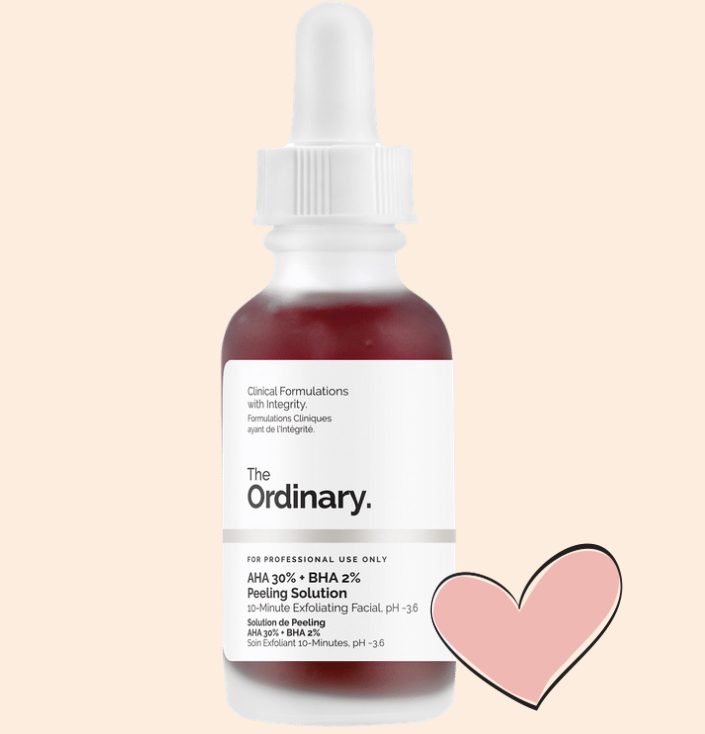
WARNING use this with caution!! Insane product, insane price, insane results. Can also cause insane reactions… a treatment mask which can be used once to twice a week. Tolerance to this product needs to be built up over time and I recommend setting a timer on your phone for 5 minutes at first and building it up. There was once a video on TikTok where a guy applied this to his face for ONE HOUR (!!) (recommended time, 10 mins MAX) after he dermarolled his face (a spikey facial tool which makes tiny holes in your skin). This obviously burnt his skin and he was full of regrets. Fool.
(video here, skip to 12 mins approx. Enjoy!)
It also containts tasmanian pepperberry to reduce inflammation as well as hyaluronic acid to comfort the skin.
Ole Henriksen Dark Spot Toner – £23

This toner contains super ingredient glycolic acid which is your AHA! With a lemon scent, this toner leaves your skin feeling clean and fresh! Use in the PM only and apply with a cotton pad.
Nip + Fab Glycolic Fix Daily Cleansing Pads – £16.95
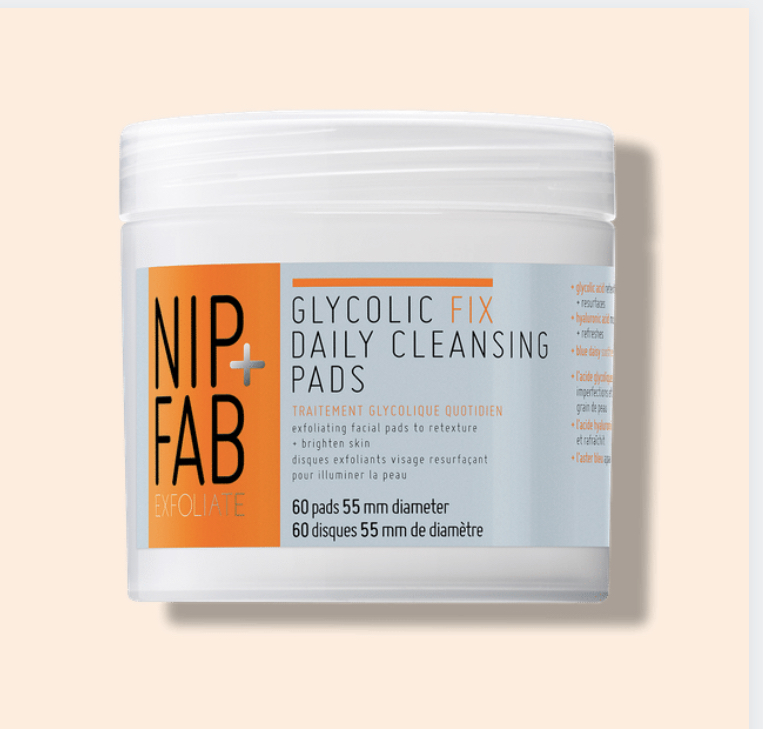
These pads are AMAZING! Each pad is soaked in glycolic acid to exfoliate the skin and hyaluronic acid to hydrate! There is also a stronger version for night time which I love too. I really rate most of the Nip + Fab range, especially it’s price point. Keep an eye on their website for offers as I usually get my pads for £10 (generally a flash sale).
The Inky List BHA – £9.99
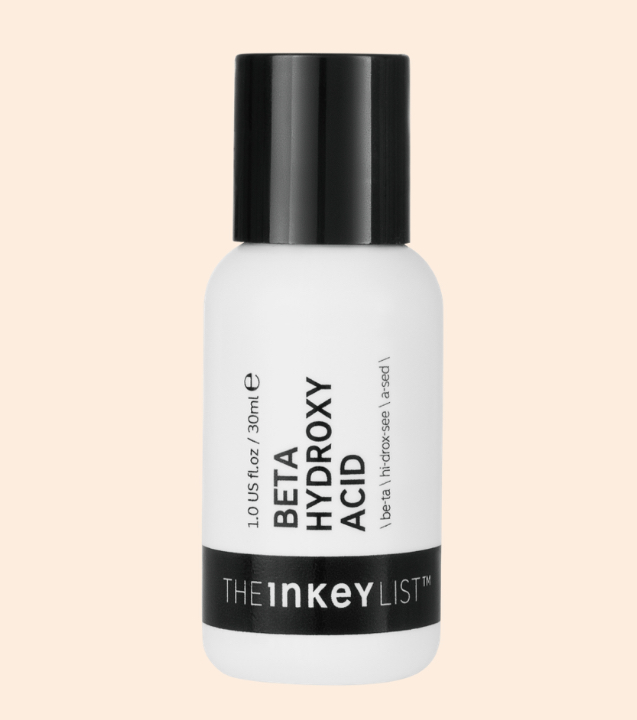
The Inky List is a bloody amazing brand and I wish people would step back from the Ordinary and give these beauties a go! 9/10 times you can actually get hold of the products which is a bonus because The Ordinary still can’t quite meet demand! This brand was created in 2018 and offers simply what The Ordinary offers with simple ingredients that get straight to the point. I prefer the Inky List products as they don’t require a science degree to know what you’re buying. They offer a simple definition on the packaging which is what The Ordinary need to consider.
 Carly's Beauty Blog